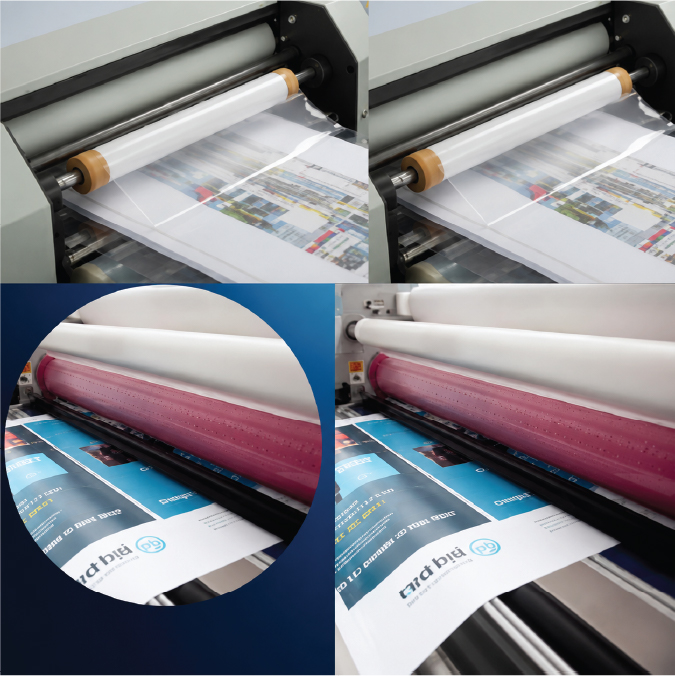
Cosmobond™ FPDL 301 | FPDL 302 | FPDL 350
Advanced laminating adhesives for various film to printed paper board where clarity, bond strength and converting efficiency are critical.
A water-based dry lamination adhesive is an adhesive formulated with water as its primary carrier. It is used to bond films such as BOPP, PET, and metallized PET to printed paper, paperboard, and other suitable substrates. The water evaporates during drying, allowing the adhesive to develop a bond between the substrates.
Depending on the adhesive formulation and film surface properties, suitable films may include BOPP, matt BOPP, PET, and metallized PET (MET-PET). Film surface treatment, coating compatibility, and substrate characteristics should be checked before commercial production.
Key advantages include:
Bonding strength depends on adhesive coat weight, adhesive solids content, drying efficiency, nip pressure, machine speed, film surface treatment, substrate porosity, ink compatibility, and curing or conditioning time. Consistent process control is essential for achieving reliable lamination performance.
The recommended coat weight is 5–7 dry GSM.
Drying removes water from the adhesive layer before the substrates are bonded. Inadequate drying can cause poor adhesion, trapped moisture, whitening, blistering, or other appearance defects. Drying conditions should be optimized according to the adhesive grade, coat weight, machine speed, and substrate combination.
White patches may result from residual moisture, incomplete drying, uneven adhesive application, poor wetting, substrate porosity, ink incompatibility, or contamination. For metallized films, variations in surface characteristics can also contribute. The defect should be investigated by checking the drying profile, coat weight, nip conditions, film treatment, and adhesive compatibility.
Tunnelling or bubbles can develop due to trapped air or moisture, uneven adhesive coating, insufficient drying, poor wetting, inconsistent nip pressure, substrate tension variations, or inadequate bond development. A systematic review of the coating, drying, nip, and winding parameters helps identify the root cause.
Good gloss and clarity require uniform adhesive application, proper film wetting, adequate drying, compatible substrates, suitable nip pressure, and consistent machine operation. The selected adhesive should also be appropriate for the required finish, particularly when using matt or metallized films.
Solids content indicates the proportion of non-volatile material in the adhesive. Higher solids content can help achieve the required dry adhesive deposit with less water to evaporate, depending on viscosity and coating conditions. However, solids content alone does not determine bond strength or productivity; coat weight, rheology, drying, and formulation also matter.
Yes, appropriately formulated water-based adhesives can be used on high-speed lamination equipment.
Store the adhesive in tightly closed, compatible containers under the supplier's recommended temperature and storage conditions. Protect it from freezing, excessive heat, contamination, and prolonged exposure to air. Stir gently before use if recommended by the supplier and avoid introducing incompatible materials into the product.
The correct grade should be selected based on film type, paperboard quality, printing ink system, machine speed, required coat weight, bond strength, appearance, heat resistance, and final application. Sharing these details with the technical team helps identify a suitable grade and establish trial parameters.